


CT / TW
Based in our own laboratory, we develop environmentally friendly materials with aesthetic value at
.
We also design circular schemes at
with the goal of building a circular economy.
[What is "hide k 1896's Environmentally Friendly Material"?]
"Environmentally harmonious materials" from hide k 1896 are materials designed and developed based on material recycling principles to be easily separated and broken down, thereby facilitating their circulation.

CT _ composite textile
Composite Textiles
[CT_Composite Textiles], created by laminating synthetic fibers—such as carbon fiber, a source of pride for Japan as a leading textile nation—and natural fibers like hemp with resin film, are cutting-edge materials developed around the concepts of “look & touch” and “environmental harmony.”
Applicable Products:
, Automotive, Construction, Furniture, Accessories, Robotics, etc.
Features:
Environmentally friendly, scratch-resistant, lightweight, flexible, resistant to stretching, and suitable for sewing
*Thermal recycling compatible; research and development is currently underway on composites made from natural fibers and biomass-based resins
types
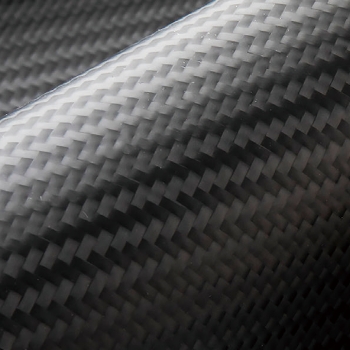
carbon

glass
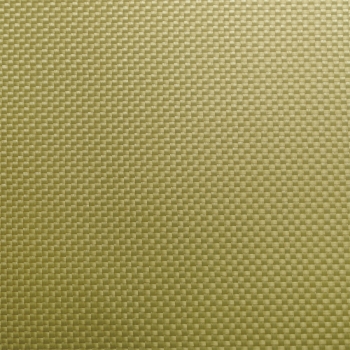
aramid
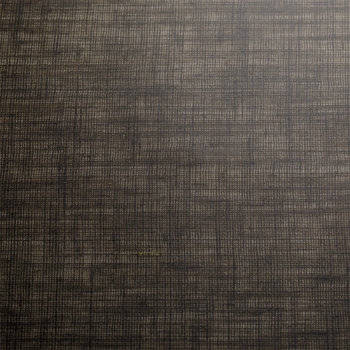
linen

denim
cupro

TW _ Transwood
Transwood
[TW_Transwood] is a new material made by blending biomass resin—produced from wood flour derived from thinned timber and waste cooking oil—with wood. This next-generation wood material enables recycling that was previously considered impossible with conventional wood, and its color and texture can be customized through the blending process.
Applicable Products:
, Automotive, Construction, Furniture, Homeware, Robotics, etc.
Features:
Environmentally friendly, recyclable, lightweight, shatter-resistant, quick-drying, high strength, high heat resistance
Development partners
biomass PP [PRASUS]: Mitsui Chemicals, Inc. / PRIME POLYMER CO., LTD.
composition based on [TABWD]: TOYOTA AUTO BODY Co., Ltd.

